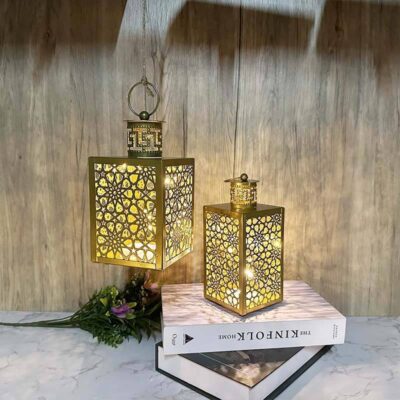



1. Why Compliance Matters in LED Lantern Supply Chains ⚡
As LED lanterns become more portable and battery-powered, ensuring compliance with international safety and transport regulations has never been more critical. Non-compliant products risk shipment delays, customs rejection, or even safety hazards during transit.
Importers and distributors must understand the main certifications — UN38.3, MSDS, and IEC — to guarantee safe, compliant, and insurable shipments. Partnering with a qualified Led Lanterns Manufacturer ensures every battery-powered SKU meets the strictest global standards before leaving the factory floor.
2. UN38.3: The Core Certification for Lithium Batteries 🔋
The UN38.3 test is mandatory for all lithium batteries transported by air or sea. It confirms that the battery can safely withstand physical and environmental stress during transit.
UN38.3 testing includes:
-
Altitude simulation: Ensures batteries resist low-pressure conditions in flight.
-
Thermal tests: Verifies safety under temperature fluctuations from -40°C to +75°C.
-
Vibration & Shock: Simulates shipping and handling stress.
-
Short-circuit & Impact tests: Confirms internal stability.
Each tested batch receives a UN38.3 Test Summary Report, which must accompany shipping documents. Carriers and freight forwarders will refuse transport without it.
Buyers should always request a copy of the valid UN38.3 report from suppliers before booking shipments — it proves full compliance and liability coverage.
3. MSDS: Chemical Transparency for Safe Handling 🧾
The Material Safety Data Sheet (MSDS) is another essential compliance document. It describes the chemical composition, hazards, and handling procedures for lithium batteries or cells.
An MSDS typically covers:
-
Composition and chemical identification
-
Physical and chemical properties
-
Handling and storage guidelines
-
First-aid and firefighting measures
For LED lanterns using lithium cells, importers should verify that the supplier’s MSDS matches the actual battery model and manufacturer. Discrepancies between document and physical component can lead to customs clearance delays.
Experienced exporters will automatically include MSDS files in the documentation pack for every shipment.
4. IEC 62133 and IEC 60598: Product Safety Benchmarks 🔧
Beyond shipping compliance, buyers should ensure their products meet IEC 62133 (for rechargeable batteries) and IEC 60598 (for lighting products).
-
IEC 62133: Defines safety requirements for Li-ion and NiMH batteries.
-
IEC 60598: Covers insulation, temperature rise, and mechanical strength for complete lighting units.
These certifications enhance a product’s acceptance in EU, UK, and North American markets. For private-label or OEM buyers, confirming these standards ensures smoother entry into major retail channels.
5. Factory-Level Testing & Documentation Flow 🏭
A well-organized supplier should maintain an in-house or partnered third-party lab that handles compliance testing. Before confirming mass production:
-
Request copies of UN38.3 and MSDS.
-
Ask whether the battery brand is certified under IEC 62133.
-
Confirm batch traceability with serial codes on battery packs.
-
Include compliance checks in the Pre-Shipment Inspection (PSI) checklist.
Partnering with a capable Lantern Factory ensures that these documents and processes are seamlessly integrated into the supply chain — saving both time and cost during export clearance.
6. Labeling & Packaging Requirements 📦
Proper labeling and packaging are legally required for the transport of lithium batteries:
-
Use “Lithium Battery” caution labels (IATA compliant).
-
Ensure battery terminals are insulated during packing.
-
Avoid shipping defective or untested units.
-
Outer packaging must pass 1.2-meter drop tests per UN packaging rules.
For air shipments, always declare the correct UN number (e.g., UN3480 or UN3481) on the airway bill. Missing or incorrect declarations can result in fines or shipment rejections.
7. Common Buyer Mistakes to Avoid 🚫
Even experienced importers occasionally face compliance setbacks. Frequent errors include:
-
Mixing certified and uncertified batteries in the same carton.
-
Relying on outdated UN38.3 reports from previous production batches.
-
Failing to label “Contains Lithium Battery” on outer boxes.
-
Shipping untested prototypes without official documentation.
Establishing a compliance checklist for every shipment prevents these costly oversights.
8. Benefits of Working with Certified Suppliers 🌐
Choosing a certified supplier simplifies logistics and reduces risk:
-
Quicker customs clearance
-
Lower insurance premiums
-
Eligibility for major retail chains and online platforms
-
Stronger brand reputation for safety and quality
Certified manufacturers typically maintain permanent document archives for at least five years, ensuring traceability even after multiple reorder cycles.
9. Final Thoughts ✅
Battery and transport compliance isn’t just a legal necessity — it’s an operational strategy. By ensuring every LED lantern meets UN38.3, MSDS, and IEC standards, importers gain full control over quality, logistics, and brand trust.
Collaborating with a professional LED lantern supplier ensures smooth international operations, minimal risk, and sustainable partnerships built on safety, reliability, and global compliance.