

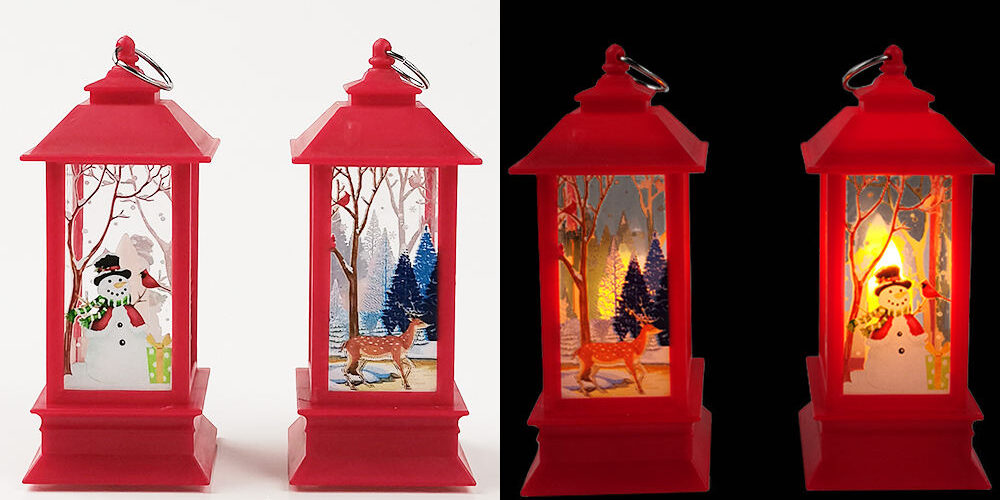
1. The Challenge of Retail Lighting Assortments 💡
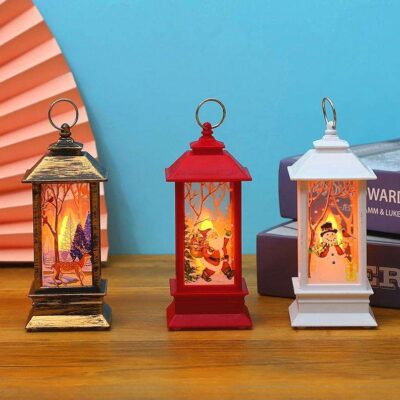
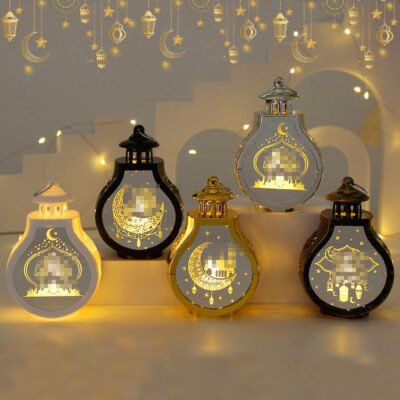
Retail buyers often face a difficult balance: choosing enough lantern styles to capture customer interest without overwhelming inventory or shelf space. In the decorative lighting category, trends shift quickly — color finishes, LED tones, and seasonal themes can all impact sales velocity.
That’s where A/B testing comes in. By experimenting with two or more product variations under controlled conditions, retailers can make data-driven decisions about which lantern designs, sizes, or packaging styles truly convert.
To design effective retail trials, many sourcing teams begin with reliable product data and consistent styling options from Decorative Lanterns Manufacturer, ensuring that test sets remain comparable in quality and cost.
2. Defining Test Variables 🎯
A/B testing only works when the variables are clearly defined. In decorative lanterns, these are the most commonly tested factors:
-
Finish Type: matte white vs. brushed gold
-
Size: 25 cm vs. 35 cm
-
Light Tone: warm (2700K) vs. cool (4000K)
-
Packaging Style: open display vs. closed box
-
Price Point: slight differences ($19.99 vs. $22.99)
Keeping all other variables constant (materials, LED type, supplier) helps ensure accurate comparison between the two test sets.
3. Creating Test Sets 🧩
Retailers typically select two or three SKUs from the same family to test across similar store environments. For example:
-
Store A: White matte lanterns
-
Store B: Brushed brass lanterns
The test runs for 4–6 weeks, tracking sell-through rates, display interaction, and return frequency. Even small differences in shelf presentation or perceived luxury can produce measurable effects.
4. Measuring Success 📊
Key performance metrics include:
-
Sell-through Rate (STR): The percentage of stock sold within a given period.
-
Gross Margin Return on Investment (GMROI): Evaluates profitability relative to display space.
-
Conversion Rate: How often customers who touch or pick up the item actually purchase it.
-
Average Ticket Size: Total sales value per transaction involving lanterns.
Combining these data points helps identify the winning SKU with both consumer appeal and retail efficiency.
5. Optimizing Display and Packaging 🏬
Visual presentation can drastically influence conversion rates. For instance, warm ambient lighting enhances the perceived glow of decorative lanterns, while cluttered shelving can suppress sales.
Effective display strategies include:
-
Positioning lanterns near complementary décor categories (vases, photo frames).
-
Using small mirror bases or elevated stands to highlight reflective finishes.
-
Including “Try Me” LED demos for interactive retail engagement.
When preparing packaging prototypes, collaborate with a capable Lantern Factory to test different packaging densities and cost efficiencies. Custom-designed retail boxes that balance visibility and protection often outperform plain cartons in impulse sales.
6. Seasonal A/B Testing 🌸🎄
Consumer preferences fluctuate by season. Decorative lanterns sell strongly during:
-
Spring/Summer: Outdoor garden and patio décor
-
Autumn: Rustic tones, copper finishes, and wooden accents
-
Winter: Christmas and New Year’s ornamental themes
Running seasonal A/B tests — for instance, “bronze finish vs. silver finish” in autumn or “LED candle vs. string light insert” in winter — helps retailers fine-tune next year’s order mix. The collected data builds long-term insight into color trends and regional preferences.
7. Using Data to Guide Wholesale Orders 📦
Once A/B testing identifies top performers, the next step is adjusting wholesale procurement.
-
Underperforming SKUs can be phased out or repositioned as online exclusives.
-
Bestsellers can move into larger-scale production for the next season.
-
Retailers can lock early production slots to avoid last-minute shortages.
This proactive approach helps maintain supply stability while reducing warehouse holding costs — an essential strategy for multi-store chains and e-commerce sellers alike.
8. Retailer–Supplier Collaboration 🤝
A successful test program depends on strong collaboration between the retailer and the supplier.
Suppliers can provide consistent technical specs, safety compliance data, and quick replenishment for high-performing SKUs. Retailers can share point-of-sale data and market feedback to refine product development.
Both sides benefit: retailers gain reliable stock that converts, and suppliers improve product relevance through real-world insights.
9. Final Thoughts 🌏
Decorative lantern assortments succeed when creativity meets analytics. A/B testing provides a low-risk way to discover what truly resonates with shoppers — from finish color to packaging appeal. With accurate data and reliable supply partners, you can transform guesswork into measurable retail growth.
Collaborating with an experienced decorative lantern manufacturer ensures your assortment strategy aligns with real market performance — turning every shelf into a sales opportunity.