

1. The Rise of Small-Format Lighting 🎁
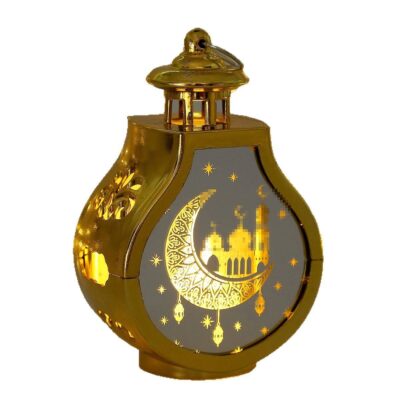
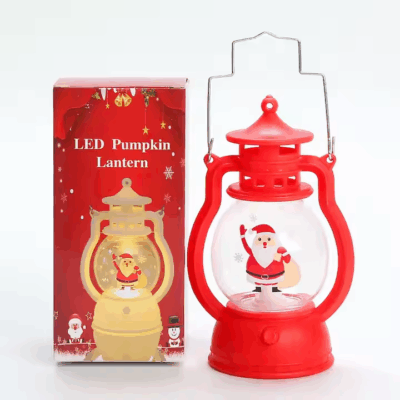
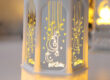
In the decorative lighting category, mini lanterns have emerged as one of the fastest-growing segments. Compact, portable, and affordable, they appeal to both retail customers and corporate gift buyers. These small lanterns fit perfectly into PDQ (Pretty Darn Quick) display units, making them ideal for checkout counters, seasonal promotions, and online bundles.
Mini lantern programs also provide retailers with high turnover rates and minimal shelf footprint — a rare combination in home décor merchandising. Many importers begin by reviewing design templates and packaging options from Mini Lanterns Manufacturer to structure assortments that balance volume and style.
2. Why Size Matters: The “Giftable” Advantage 🎀
Mini lanterns typically range from 10–18 cm in height and weigh under 300 g, which makes them highly versatile. Customers perceive these as affordable gifts suitable for holidays, weddings, or even restaurant table décor.
Advantages of smaller sizes:
-
Easier shipping and lower freight costs
-
Higher unit sales from impulse buying
-
Compatibility with multi-pack gift sets
-
Greater flexibility in display layout
For retailers, these smaller SKUs drive frequent purchases and repeat sales, especially when displayed near complementary items like candles or festive decorations.
3. Blister Packs: Cost-Efficient Retail Packaging 📦
Blister packs are one of the most efficient packaging solutions for mini lanterns. They combine visibility and protection while keeping packaging lightweight.
Key benefits:
-
Prevent surface scratches during handling
-
Reduce carton breakage rate
-
Allow clear product display without unboxing
-
Enable barcode labeling and quick scanning
Factories experienced in retail packaging can also customize blister dimensions and artwork inserts to match brand guidelines. Buyers should confirm plastic thickness (usually PET or PVC) and sealing method (heat vs. ultrasonic) to ensure durability during transport.
4. PDQ Displays: Maximizing Shelf Efficiency 🛒
PDQ displays are pre-packed cardboard trays designed for quick placement on retail shelves. They’re perfect for limited floor space and holiday pop-up stores.
Typical PDQ configurations:
-
12 to 24 units per tray for standard gift-size lanterns
-
3-tier stacked displays for category segmentation
-
Pre-labeled designs for rapid store deployment
When designing a PDQ, maintain consistent color grouping (e.g., all white lanterns per tray) to enhance visual coherence. High-quality graphics and brand storytelling on the display help turn simple lighting into a lifestyle product.
5. Material and Finish Options 🧩
Even within small formats, material quality defines market positioning. Common choices include:
-
Metal frame mini lanterns: Durable and elegant.
-
Plastic lanterns: Lightweight and affordable for mass promotions.
-
Wooden mini lanterns: Eco-chic option for gift retailers.
Pairing different materials in one collection allows retailers to target multiple customer segments with minimal tooling cost.
6. Adding Functionality: LEDs and Batteries 💡
Mini lanterns often feature battery-operated LED inserts. Buyers should specify:
-
Battery type (CR2032 or AAA)
-
Run time (typically 20–40 hours per set)
-
Switch type (on/off or timer function)
Warm white LEDs (2700–3000K) work best for decorative use, while color-changing LEDs attract attention in festive displays. Pre-testing battery compartments during sampling prevents post-shipment defects and ensures compliance with export regulations.
7. Pricing and MOQ Strategy 💰
Because mini lanterns are low-cost, volume-driven products, MOQ (Minimum Order Quantity) plays a crucial role in pricing. Most suppliers offer tiered discounts at 3,000–10,000 pcs.
To increase profitability:
-
Bundle 3 or 4 mini lanterns as a set for gift sales.
-
Offer seasonal color variations under the same SKU.
-
Pre-pack with “batteries included” for higher retail convenience.
These adjustments can improve perceived value without raising base cost.
8. Logistics and Packing Efficiency 🚚
Mini lantern programs benefit from compact packing configurations. Efficient factories use auto-fold cartons or nested stacking to reduce cubic volume per master carton. Buyers should review packaging specs, including carton size, gross weight, and pallet layout, before confirming bulk orders.
Working closely with a reliable Lantern Factory ensures production timelines align with seasonal retail launches and container load optimization.
9. Conclusion 🌏
Mini lanterns are more than just downsized décor pieces — they represent a powerful retail opportunity. With thoughtful packaging, attractive finishes, and smart display planning, importers can deliver products that charm customers and perform efficiently in stores.
By collaborating with an experienced mini lantern supplier, you can structure scalable, cost-effective programs that meet diverse retail needs while maintaining brand quality across every shipment.